Production and Fieldwork
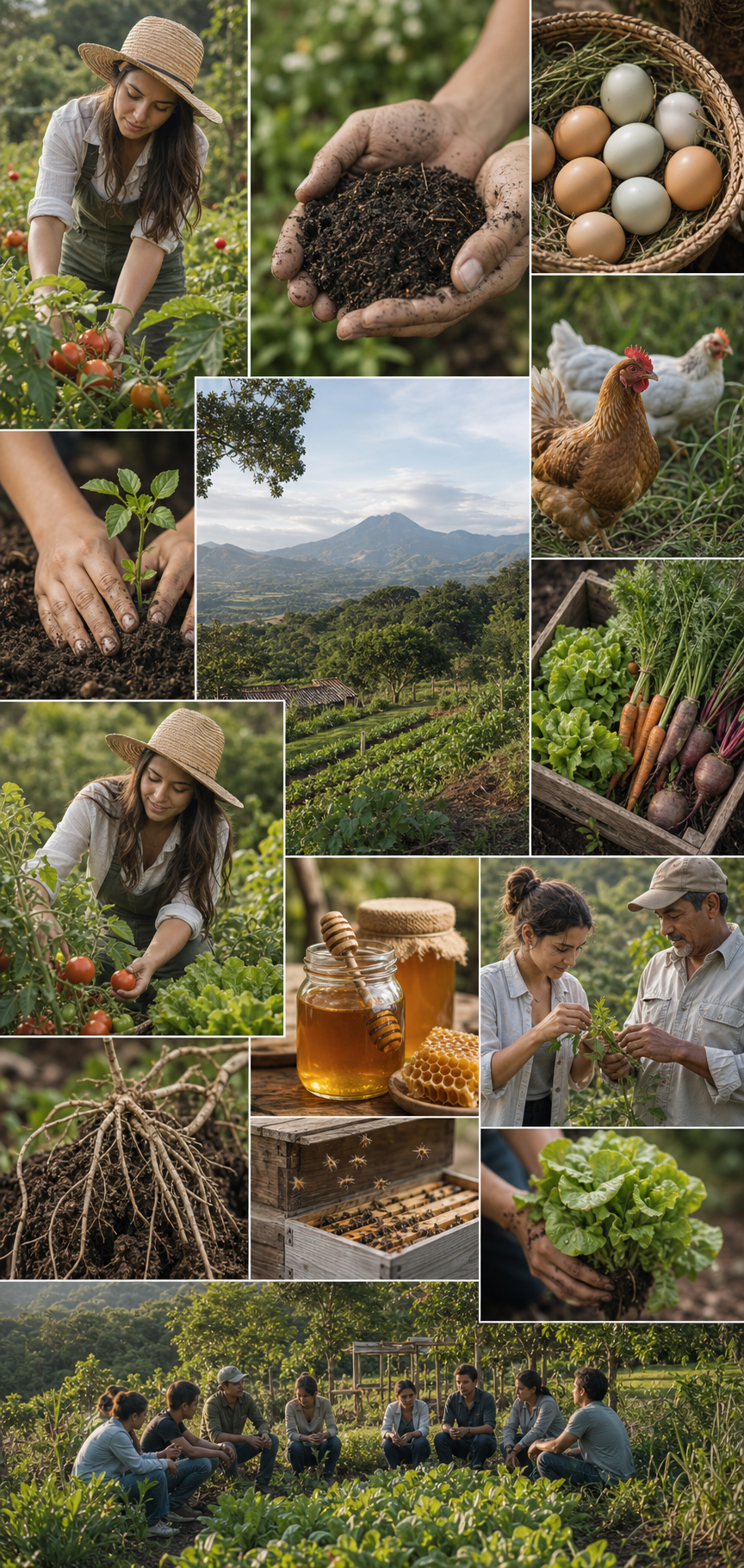
Participants engage directly in crop and animal production, soil restoration, tropical ecosystem management, and biodiversity conservation.
Internship Program
Turín's internship program is designed to prepare the next generation of professionals to understand, design, manage, and lead regenerative systems that integrate agriculture, animal science, ecology, and sustainable rural development.
Applied Learning
The program combines scientific knowledge with practical experience in a regenerative farm environment designed for applied learning.
Participants engage directly in crop and animal production, soil restoration, tropical ecosystem management, and biodiversity conservation.
Beyond learning agricultural techniques, participants develop a systems perspective on how soil, plants, animals, water, climate, and people interact.
The experience includes food commercialization, rural collaboration, and practical exposure to the realities of building viable regenerative systems.
Professional Reality
Participants learn the foundations and principles of regenerative sciences while also understanding the real challenges regenerative agriculture faces today.
The program explores the opportunities, limitations, and technical, economic, environmental, and social demands involved in developing and maintaining viable regenerative systems, giving participants a clear and practical perspective for real-world decision making.
Competencies
By the end of the program, participants will have developed the skills needed to understand, implement, and manage regenerative production systems.
Professional Pathways
This experience prepares participants for work across production, conservation, education, research, entrepreneurship, and sustainable rural development.
International Participants
As part of our commitment to international participants, the program provides general orientation helping them plan their arrival and transition to El Salvador.
Purpose
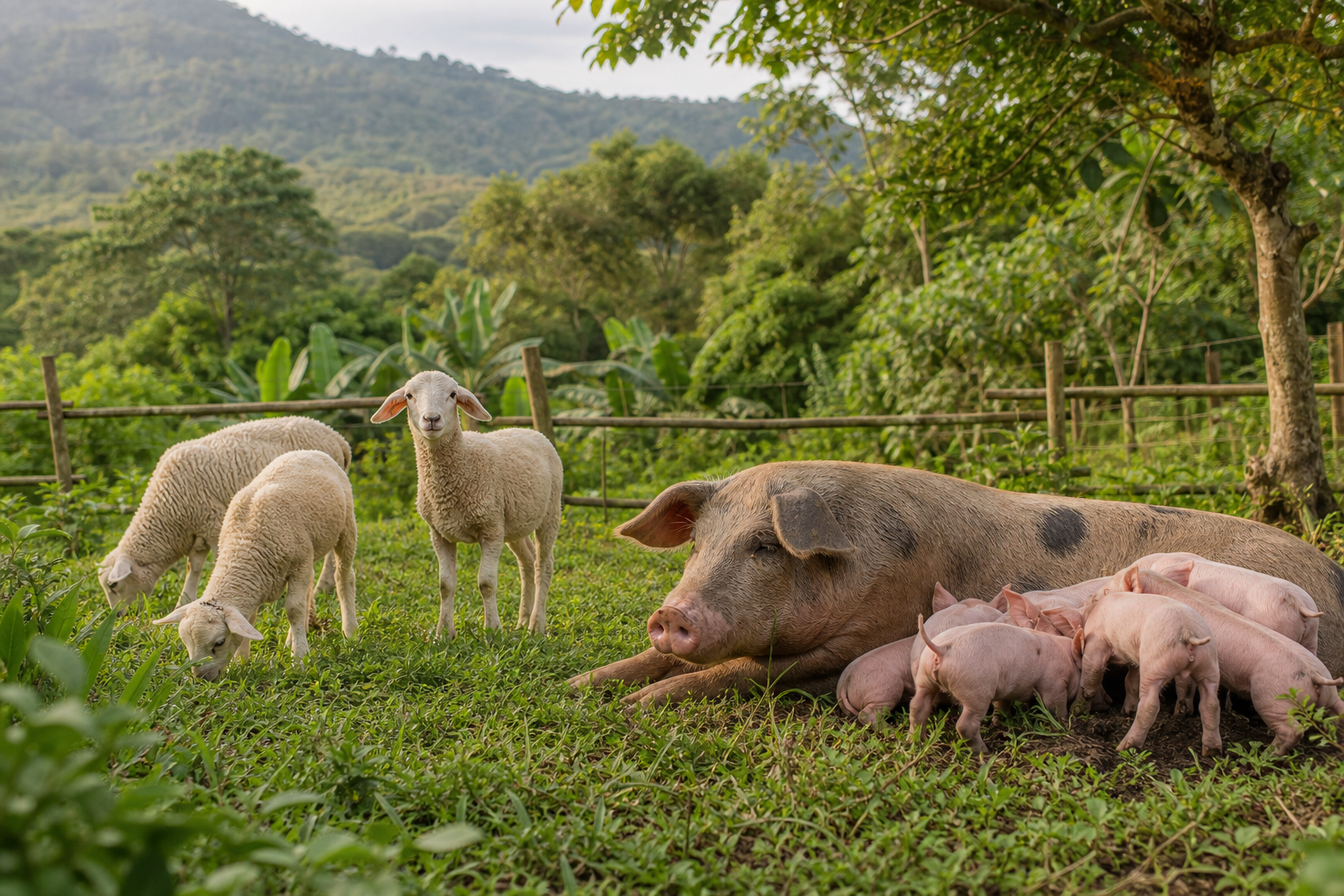
More than training farm workers, Turín's internship program prepares professionals who can understand, manage, and lead regenerative systems that restore ecosystems, support rural communities, and contribute to a healthier, more resilient, and more sustainable model of food production for future generations.
Certification
Upon successful completion, participants will receive a Certificate of Participation in Applied Regenerative Sciences. The certificate recognizes the technical competencies, practical experience, and applied training completed during the program, and is signed by Alex Michel Hasbun, a legally authorized Doctor of Veterinary Medicine and Zootechnician.